
Decreasing Problem Behavior with an FBA Part 1: How to Begin
You could be the first person to provide your opinion.
For families and school teams trying to understand what precedes and follows challenging behavior, Christine Austin examines the beginning of a functional behavior assessment. The recording follows target definitions, interviews and repeated ABC observations into hypothesis formation and functional analysis, using recorded examples to illustrate the assessment process.
Presenter biographies: Christine Austin.
Austin compares the Motivation Assessment Scale, Functional Analysis Screening Tool and Questions About Behavioral Function with direct observation. The ABC practice covers worksheet ripping, a transition away from a swing and other recorded examples, followed by her explanations of the observed sequence.
The discussion examines why attention after behavior does not establish its function and what scatter plots can reveal about observation windows. Austin also addresses functional analysis prerequisites and risks, then describes Step-by-Step's neutral-redirection approach; detailed interventions and replacement behaviors are deferred to Part 2.
What does this recording cover?
- The behavior definition block contrasts observable topography with behavioral function and uses examples and nonexamples.
- The indirect assessment discussion examines the MAS, FAST and Questions About Behavioral Function, including informant differences and questionnaire limitations.
- The ABC discussion compares antecedents, adult responses and demand follow-through across repeated observations.
- The scatter plot discussion distinguishes time-of-day patterns from immediate antecedent and consequence information.
- The functional analysis discussion covers test and control conditions, consent, qualified clinicians, repeated measures and injury risk.
Recording context: The recording date is unavailable, and detailed intervention teaching is deferred to Part 2.
Three selected learner comments
The six-item evaluation mean was 4.29/5 across 13 complete responses, from 138 recorded rating responses. This mean includes only complete six-score responses. Source: Special Learning's course evaluation records, snapshot October 11, 2026.
Three selected anonymous responses appear below, with the wording and spelling retained. They describe learners' experiences and requests; they are not a guarantee of results or a claim that these comments represent every learner.
give more info on not only what questions we got wrong but what the answer is especially wen coming so close to passing
Course evaluation response, 2023
Make sure everything is spelled correctly in the quiz. It said "typography" in one of the questions and I couldn't figure out whether or not that was a trick question about topography.
Course evaluation response, 2023
The quality of the video's wasn't that good.
Course evaluation response, 2024
Explore related recorded discussions
MANDATORY DISCLAIMER: The Behavior Analyst Certification Board (“BACB”) does not sponsor, approve, or endorse Special Learning, the materials, information, or sessions identified herein.
Meet the Presenters
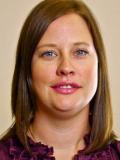
Clinic Director at Step By Step Academy, a position she has held since 2009, where she previously served as Training and Behavior Plan Supervisor,Outreach and Training Coordinator, Program Supervisor/Outreach Support Technician and Behavior Technician.
Christine regularly publishes and presents at professional conferences on the topic of autism and behavioral support. Her areas of expertise include ABA, training, individual education plans (IEPs), treatment planning and behavior modification and behavior management. She has a BA in Psychology and minor in Sociology from Ohio State University. Now a Board Certified Behavior Analyst (BCBA), Christine trained in Applied Behavior Analysis with the University of North Texas and is certified in Crisis Prevention.
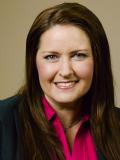
Michele LaMarche is the co-founder of Special Learning, Inc. She is also the founder and Executive Director of Step By Step Academy (SBSA), a centre-based non-profit autism treatment centre in Columbus, Ohio. Ms. LaMarche has worked in the field of Applied Behavior Analysis for more than fifteen years, and she develops the ABA curricula used in SBSA's programs.
No reviews yet!
For adding a review for this product you need to purchase current product and be authorized.