
Psychopharmacology - Module 7: Diagnosis & Assessment
You could be the first person to provide your opinion.

Certificate of Completion. This session does not offer BACB continuing education (CE) credit.
Description: In our webinar on Psychopharmacology: Diagnosis and Assessment, we focused on evidence-based assessment and diagnosis of common mental health disorders in children. We explore valid and reliable assessment and screening tools to identify mental health symptoms, and how to use these tools appropriately during the assessment process. We also reviewed other diagnostic information, including medical and family history, physical examination findings, and appropriate laboratory and other diagnostic tests used to assure an accurate diagnosis.
Subject Matter Experts: Dr. Ronald T. Brown and Dr. Debbie Coehlo
Panelists: Lyre Fribourg, Psychologist, Ph.D.; Manya Ralkowski, EdS, BCBA, LBA, IBA
Learning Objectives:
- 1. Recognize specific target behaviors associated with the diagnosis of the different mental health diagnoses in childhood.
- 2. Explore and discuss symptoms of mental health disorders that are seen throughout various developmental stages of childhood.
- 3. Evaluate environmental factors that may impact a child’s functional ability.
- 4. Review common screening and assessment tools used to assess and monitor mental health diagnoses in children.
- 5. Review the DSM-5 diagnostic criteria used to diagnose common mental health disorders in children.
- 6. Identify classes of psychotropic medications that have demonstrated effectiveness in the treatment of mental health in childhood.
- 7. Discuss the benefits versus the risks of accurate assessment and diagnoses and treatment outcomes when treating children with mental health disorders.
- 8. Apply knowledge to specific case studies including assessment, diagnosis, treatment, and evaluation of outcomes.
- 9. Analyze ethical issues arising during the assessment and diagnosis of a child with mental health diagnoses
TIMELINE: This course, on its own has a license for active use for 30 days unless it is purchased as part of a bundle/library.
Want unlimited training? Get All Access training HERE. For cancellations and refunds, please see our return policy.
MANDATORY DISCLAIMER: The Behavior Analyst Certification Board (“BACB”) does not sponsor, approve, or endorse Special Learning, the materials, information, or sessions identified herein.
Meet the Presenters
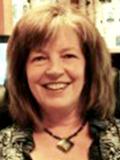
Dr. Debbie Coehlo is a certified Pediatric Nurse Practitioner and Pediatric Mental Health Specialist with a Doctoral Degree in Family Sciences and Human Development. She is the Founder and Director of Juniper Pediatrics, a clinic modeled after John F Kennedy’s multidisciplinary system of care. Using a holistic, integrated care model, Juniper provides counseling, medication management and family therapy for children with ASD, ADHD and other childhood mental health disorders.
Dr. Coehlo completed her Master’s in Nursing with a specialty in parent- child nursing. She spent 10 years working at the Child Development Center at the University of Washington in the Genetics Clinic and Multidisciplinary Clinic. In 1999, she complete her Doctorate degree in Human Development and Family Studies.
She continues to teach at the undergraduate and graduate level and had pursued research in the area of social networking, transitioning to out of home care for families, and child development.
Dr. Coehlo is a co- editor for the 4th and 5th edition of Family Health Nursing (F.A. Dais, 2010/2013) and has published several journal articles in the areas of families choosing residential care, families in transition, family health nursing, and care of children with special health care needs.
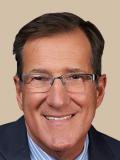
Dr. Ronald Brown, a noted expert on the topic of ADHD has served as the Associate Vice Chancellor for Academic (Health Affairs) at the University of North Texas System.
Dr. Brown completed his Ph.D. from Georgia State University and has been the past President of the Society of Pediatric Psychology and the Association of Psychologists of Academic Health Centers.
He is a board-certified clinical health psychologist and has been an active clinician, teacher, advocate and investigator. He served as a member of the Behavioral Medicine study section of the NIH and chaired several special panels at NIH. He currently serves as the Editor of Professional Psychology: Research and Practice.
Dr. Ronald Brown’s area of specialization includes behavioral sciences, pediatric psychology, attention deficit disorders, neuropsychology, psychopharmacology, learning disabilities and psychosocial oncology.
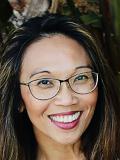
Dr. Lyre Fribourg is a Licensed Clinical Psychologist and a Board-Certified Behavior Analyst. She balances her work schedule between her private practice in Los Angeles, California and a staff psychologist position at University of California, Los Angeles in the Developmental Behavioral Pediatrics clinic. She enjoys working in an interdisciplinary team and values the collaboration with physicians when it comes to diagnosing and treating children. She leads a parent group for newly diagnosed families of children with autism and provides group parenting classes to families of young children. For more than 25 years, Dr. Fribourg has worked with children with neurodevelopmental disorders, and their families in homes, schools and communities. Additionally, she has shown her commitment to educating other professionals in the field through professional development workshops about behavior management in schools and presenting at annual conventions for behavior analysts. Outside of her practice, she loves spending time with her husband and children, who give her yet another perspective on the challenges that come with parenting children.
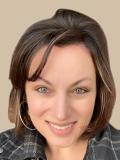
Ms. Manya Ralkowski has been practicing in the field of applied behavior analysis for over 25 years. Her training began under direct education and training from consultants from the Lovaas Clinic in Los Angeles while completing her bachelor of arts in Communication Disorders with endorsements in special education and psychology at Western Washington University. Ms. Ralkowski continued her education and training with a master’s degree in Education from Lesley University and a graduate certificate in Applied Behavior Analysis from the University of Washington while working as an assistant teacher on the Project DATA grant at the Haring Center-Professional Training Unit. She also possesses a doctorate degree in Instructional Leadership.
No reviews yet!
For adding a review for this product you need to purchase current product and be authorized.