
ADHD and Medication: What the Evidence Says

For parents and professionals comparing reports from home and school, Dr. Ronald T. Brown and fellow panelists examine how ADHD medication monitoring connects target behaviors, baseline observations, and the timing of each observer’s contact with the child.
Presenter biography: Ronald T. Brown.
Certificate of Completion. This session does not offer BACB continuing education (CE) credit.
The discussion moves from assessment and everyday impairment to stimulant formulations, medication coverage, and the panel’s approaches to monitoring individual responses.
A case follows a child into adolescence, bringing medication, parent counseling, school accommodations, organization, and assignment checklists into the same discussion.
The embedded video explains reward pathways and drug dependence broadly, without an ADHD-specific medication demonstration.
What does this recording cover?
- The panel’s assessment discussion separates target symptoms from impairment across settings.
- Baseline comparison examples use observable measures such as reminders, task latency, and time on task.
- Observer selection follows the period when teachers or parents see the child during medication coverage.
- The panel distinguishes medication response from evidence sufficient to identify ADHD.
Recording context: The recording date is not supplied. Research and medication discussions reflect the evidence and examples used in this historical session.
Three selected learner comments
The six-item evaluation mean was 4.35/5 across 26 complete responses, from 230 recorded rating responses. This mean includes only complete six-score responses. Source: Special Learning's course evaluation records, snapshot October 11, 2026.
Three selected anonymous responses appear below, with the wording and spelling retained. They describe learners' experiences and requests; they are not a guarantee of results or a claim that these comments represent every learner.
Excellent presentation. Probably one of the most informative courses I've taken on ADHD.
Course evaluation response, 2023
I would be interesting in learning more about ADHD and the behavioral strategies used in combination with medication - case study was helpful
Course evaluation response, 2023
Include more examples of behavioral strategies for adhd
Course evaluation response, 2023
Explore related recorded discussions
MANDATORY DISCLAIMER: The Behavior Analyst Certification Board® (“BACB”) does not sponsor, approve or endorse Special Learning, the materials, information, or sessions identified herein.
Meet the Presenters
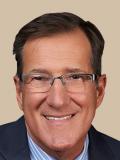
Dr. Ronald Brown, a noted expert on the topic of ADHD has served as the Associate Vice Chancellor for Academic (Health Affairs) at the University of North Texas System.
Dr. Brown completed his Ph.D. from Georgia State University and has been the past President of the Society of Pediatric Psychology and the Association of Psychologists of Academic Health Centers.
He is a board-certified clinical health psychologist and has been an active clinician, teacher, advocate and investigator. He served as a member of the Behavioral Medicine study section of the NIH and chaired several special panels at NIH. He currently serves as the Editor of Professional Psychology: Research and Practice.
Dr. Ronald Brown’s area of specialization includes behavioral sciences, pediatric psychology, attention deficit disorders, neuropsychology, psychopharmacology, learning disabilities and psychosocial oncology.

Dr. Debbie Coehlo is a certified Pediatric Nurse Practitioner and Pediatric Mental Health Specialist with a Doctoral Degree in Family Sciences and Human Development. She is the Founder and Director of Juniper Pediatrics, a clinic modeled after John F Kennedy’s multidisciplinary system of care. Using a holistic, integrated care model, Juniper provides counseling, medication management and family therapy for children with ASD, ADHD and other childhood mental health disorders.
Dr. Coehlo completed her Master’s in Nursing with a specialty in parent- child nursing. She spent 10 years working at the Child Development Center at the University of Washington in the Genetics Clinic and Multidisciplinary Clinic. In 1999, she complete her Doctorate degree in Human Development and Family Studies.
She continues to teach at the undergraduate and graduate level and had pursued research in the area of social networking, transitioning to out of home care for families, and child development.
Dr. Coehlo is a co- editor for the 4th and 5th edition of Family Health Nursing (F.A. Dais, 2010/2013) and has published several journal articles in the areas of families choosing residential care, families in transition, family health nursing, and care of children with special health care needs.

Ann Beirne, MA, BCBA is a Board Certified Behavior Analyst with over two decades of experience working with individuals with autism spectrum disorder.
She has provided direct services to children and families in home environments, schools, and residential programs. Her work with this population has spanned the lifespan, including toddlers, young children, adolescents and adults with developmental disabilities.
Ms. Beirne is co-author of the textbook Understanding Ethics in Behavior Analysis: Practical Applications available from Routledge Publishing in 2019.